Table of Content
Infection with respiratory syncytial virus which manifests primarily as bronchiolitis or viral pneumonia, is the leading cause of lower respiratory tract infections in infants and young children. Respiratory syncytial (sin-SISH-uhl) virus, or RSV, is a common respiratory virus that usually causes mild, cold-like symptoms. Most people recover in a week or two, but RSV can be serious, especially for infants and older adults. RSV is the most common cause of bronchiolitis and pneumonia in children younger than 1 year of age in the United States. RSV is a highly contagious respiratory virus.

In adults older than 65 years, the RSV-related hospitalisation rate this fall has been much lower than in very young infants so far. However, infectious diseases can rapidly spread through clusters of individuals living in shared spaces, so this situation could change quickly. Just like flu and COVID-19, Respiratory Syncytial Virus infection typically spreads during the fall and winter months.
Clinical Manifestations
People who have a low socioeconomic status tend to be at a higher risk for RSV. Worldwide, RSV infection is prevalent, with clinical manifestations and early occurrence of RSV LRTI comparable to those seen in the United States. In the United States and other areas with similar climates, RSV circulation generally starts during fall and peaks in the winter.
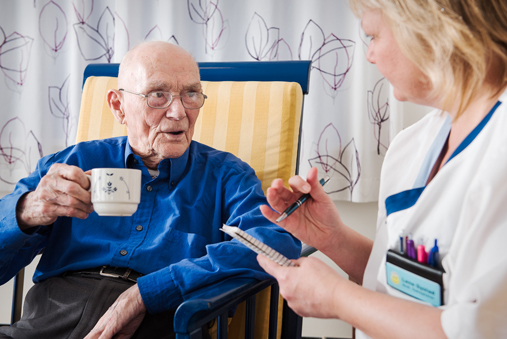
Respiratory syncytial virus causes infections of the lungs and respiratory tract. Covid deaths in nursing homes increased 25% from 256 during the week ending Nov. 20 to 321 for the week ending Dec. 11. That is dramatically lower than the pandemic peak of more than 6,000 nursing home deaths the week of Dec. 20, 2020. The White House said on Thursday that nursing home staff can now administer the boosters. The administration is working with nursing homes to make sure vaccines and treatments are available on site, Jha said.
How Can RSV in Older People Be Prevented?
Regularly cleaning counters, doorknobs, mobile devices, or other surfaces you constantly touch is a good practice to help stop illness. That is true whether someone with RSV coughs or sneezes droplets onto the surfaces or just touches them. Early treatment with aerosol ribavirin that you inhale and immunoglobulin in your vein may improve survival if you have a very weak immune system. You have close contact with someone who is infected with RSV, like an adult or child that you may kiss.

Less than half of nursing home residents have received their updated booster that targets the omicron variant, according to federal data. Just like with cold and flu, there's also a respiratory syncytial virus season. Find out when you're more at risk and how to protect yourself. You’ve probably heard about the “tripledemic” of respiratory infections expected this winter.
How does RSV spread?
Only 22% of nursing home staff are up to date with their shots. The Biden administration has made increasing booster uptake among nursing home residents a central part of its strategy to prevent a major spike of hospitalizations and death this winter. Nursing home residents are particularly vulnerable to severe disease from Covid. Nearly 161,000 nursing home residents have died from Covid since 2020.

RSV infection is widespread, affecting about 90% of children below 2 years of age. Respiratory virus infection in infants and children. Tachypnea is rapid breathing, not increased cardiac rate.
Twenty-two (55%) had pneumonia and eight (20%) died. The outbreak extended over a period of 6 weeks. Serological evidence implicated respiratory syncytial virus as the causative agent. RSV may be a more important cause of lower respiratory illness among the elderly in residential institutions than previously recognised.
Initial infection in young infants or children frequently involves the lower respiratory tract and most often manifests as the clinical entity of bronchiolitis. RSV infections can be threatening both for young infants and older adults in nursing homes and the risk is higher in shared spaces so caution should be taken. Covid cases in nursing homes increased 65% from 11,400 during the week ending Nov. 13 to 18,900 during the week ending Dec. 4, according data from the Centers for Disease Control and Prevention. Cases dropped 11% in the subsequent week to 16,700, according to the data. While 86% of nursing home residents have completed their primary vaccination series, just 47% of residents have received all of their recommended boosters, according to CMS data.
It will need to be administered monthly for the duration of the RSV season commonly between September to April. However, the use of this form of treatment is controversial due to the cost-effectivity of it. Otitis media or middle ear infection is quite common in children. It typically occurs as a secondary infection like the presence of RSV infection.
“The virus is increasingly recognized as a significant cause of respiratory illness in older adults in the U.S.,” says William Schaffner, MD, medical director of National Foundation of Infectious Diseases. The CDC estimates that 177,000 older adults are hospitalized every year and 14,000 die from RSV infections. If you or your child have symptoms consistent with RSV, or any respiratory illness, contact a health care provider right away who can help you with diagnosis and care. While sick, stay home from school or work to prevent spreading the illness. An outbreak of pneumonia and febrile respiratory illness took place in a Los Angeles County nursing home for the elderly in February and March of 1979.
If you can’t avoid close contact, think about using a mask or gloves. If you’re having trouble breathing or your skin turns bluish, call 911 right away. Individual cases of RSV are not currently reported to NYSDOH. Outbreaks of RSV would be investigated by local health departments and reported to the Department.
And almost everyone’s immune system gets weaker as we age, which puts older adults at greater risk. RSV is spread through contact with droplets from the nose and throat of infected people when they cough and sneeze. RSV can also spread through dried respiratory secretions on bedclothes and similar items.
Not all adults will necessarily have to go to the hospital. But some may face serious complications, especially if they already have weakened immune systems or long-term lung and heart problems. RSV’s symptoms can be much more serious in older adults who have asthma, COPD, and weakened immune systems.
At this time, the Department has no such reports. Find a nearby location for your flu shot here or your COVID-19 shot here to make sure you, your children, and loved ones have protection against both flu and COVID-19. Consider wearing a mask when indoors or in crowded settings.


No comments:
Post a Comment